
[NOTE: Our Kaizen Event Guide has been trusted by an array of prestigious organizations, including industry leaders such as Apple, Bayer, University of Michigan, General Motors, Cummins, Johnson Controls, Ulta, Daimler Truck, Aramark, Parsons Corporation, Minerals Technologies, Hunter Douglas, to name just a few.]
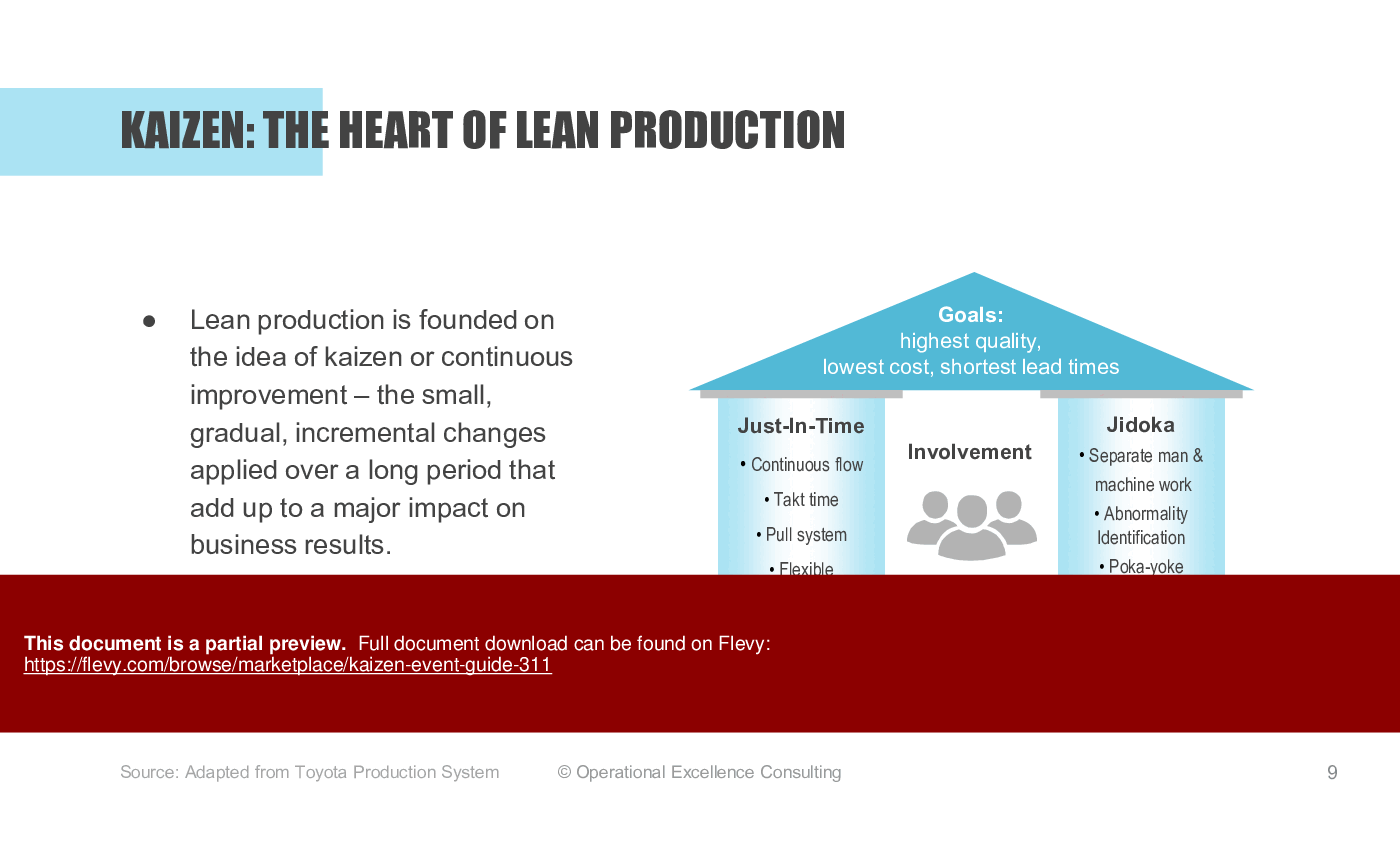
Kaizen is a Japanese philosophy and methodology that emphasizes continuous improvement in small steps to eliminate waste, enhance quality, and increase efficiency. It involves identifying and implementing incremental improvements in processes, products, and services over time.

A Kaizen event/blitz is a focused and time-limited improvement activity that brings together a departmental or cross-functional team to identify and address a specific problem or opportunity for improvement. It typically lasts for a few days to a week and involves a structured process for identifying and implementing improvements.
The benefits of conducting a Kaizen event include:
• Increased efficiency and productivity: Kaizen events can help identify and eliminate waste, reduce cycle times, and increase throughput.
• Improved quality: Kaizen events can help identify and eliminate sources of defects and improve overall quality.
• Enhanced employee engagement: Kaizen events can engage employees in problem-solving and continuous improvement, leading to a more empowered and motivated workforce.
• Reduced costs: Kaizen events can lead to cost savings through waste reduction and process improvements.
• Better customer satisfaction: Kaizen events can help identify and address customer concerns and improve customer satisfaction.
Overall, Kaizen events can help organizations improve their performance, increase competitiveness, and drive sustainable growth.
To plan and conduct a successful Kaizen event, you would need to: clearly define the problem or opportunity for improvement; set clear objectives and goals; establish a timeline and schedule; provide training and support; use data and facts; and last but not least, encourage participation and engagement.
This Kaizen Event PPT presentation guide provides a step-by-step guidance to the planning, preparation and conducting a Kaizen Event. It also covers post-event follow-up activities and provides forms and templates for the Kaizen charter and presentation to management and other stakeholders.
||||||||||||||||||||||||||||||||||||||||||||||||||||||||||||||||||||||||||||||||||||||||||||||||||||||||||||||||||||||||||||||||||||||||||||||||||||||
This training package includes:
1. Kaizen Event Guide training presentation (PowerPoint format, in 16:9 widescreen)
2. Kaizen poster (PDF format, in color and monochrome, printable in A3 size)
||||||||||||||||||||||||||||||||||||||||||||||||||||||||||||||||||||||||||||||||||||||||||||||||||||||||||||||||||||||||||||||||||||||||||||||||||||||
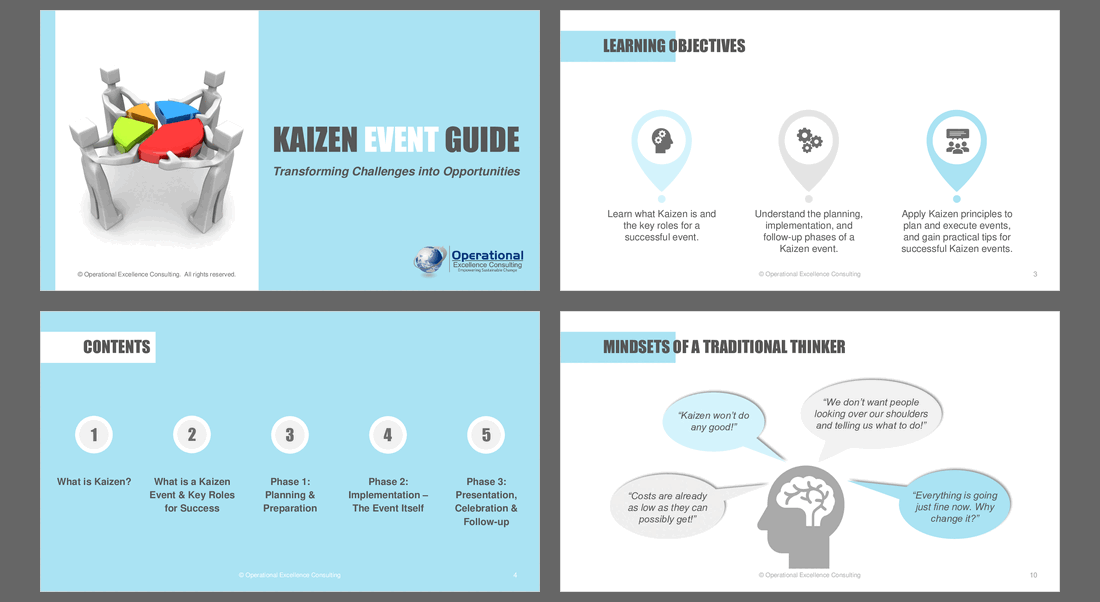
LEARNING OBJECTIVES
1. Learn what Kaizen is and the key roles for a successful event.
2. Understand the planning, implementation, and follow-up phases of a Kaizen event.
3. Apply Kaizen principles to plan and execute events, and gain practical tips for successful Kaizen events.
CONTENTS
1. What is Kaizen?
2. What is a Kaizen Event & Key Roles for Success
3. Phase 1: Planning & Preparation
4. Phase 2: Implementation – The Event Itself
5. Phase 3: Presentation, Celebration & Follow-up
6. Appendix: Forms and Templates
Note: This Kaizen Event Guide can be used together with the Kaizen training presentation (sold separately).
This guide also includes practical tips for selecting impactful areas and a comprehensive checklist for team leader responsibilities. Real-world examples of Kaizen events and detailed event schedules are provided to ensure thorough understanding and execution.
Got a question about the product? Email us at support@flevy.com or ask the author directly by using the "Ask the Author a Question" form. If you cannot view the preview above this document description, go here to view the large preview instead.
Executive Summary
The Kaizen Event Guide is a meticulously crafted presentation designed to facilitate the planning and execution of Kaizen events aimed at continuous improvement within organizations. Developed by Operational Excellence Consulting, this guide provides a structured approach to identifying and eliminating waste, fostering a culture of incremental improvement, and enhancing operational efficiency. Users will gain insights into the essential phases of a Kaizen event, including planning, implementation, and follow-up, enabling them to transform challenges into opportunities for growth and excellence.
Who This Is For and When to Use
• Lean practitioners and continuous improvement teams seeking structured methodologies for Kaizen events
• Operations managers and plant leaders aiming to enhance productivity and efficiency
• HR managers involved in employee training and development initiatives
• Cross-functional teams collaborating on process improvement projects
Best-fit moments to use this deck:
• When initiating a new Kaizen event to address specific operational challenges
• During training sessions for employees on Lean methodologies and Kaizen principles
• As a reference tool for ongoing continuous improvement efforts within the organization
Learning Objectives
• Define Kaizen and its key roles for successful implementation
• Apply Kaizen principles to effectively plan and execute events
• Understand the phases of planning, implementation, and follow-up in a Kaizen event
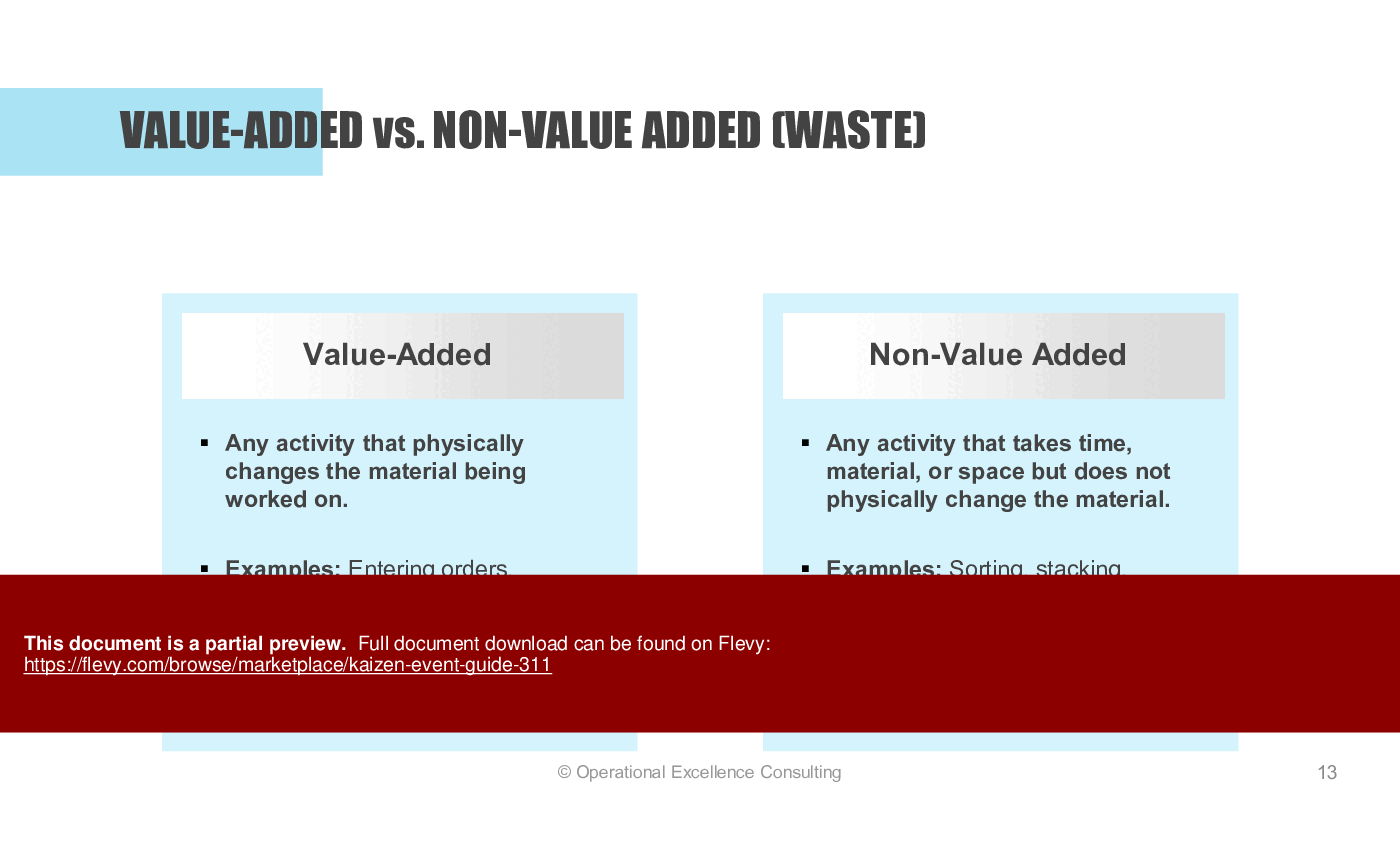
• Identify and eliminate non-value-added activities to enhance operational efficiency
• Foster a culture of continuous improvement across all levels of the organization
Table of Contents
• What is Kaizen? (page 5)
• What is a Kaizen Event & Key Roles for Success (page 30)
• Phase 1: Planning & Preparation (page 51)
• Phase 2: Implementation – The Event Itself (page 90)
• Phase 3: Presentation, Celebration & Follow-Up (page 115)
Primary Topics Covered
• Kaizen Definition - Kaizen, meaning "change for the better," emphasizes continuous improvement through small, incremental changes across processes and practices.
• Kaizen Event Characteristics - Events are short, focused, and involve cross-functional teams to drive rapid improvements in specific areas.
• Planning Phase - Involves selecting the area for improvement, assembling a team, and preparing the necessary resources and logistics.
• Implementation Phase - Focuses on executing the planned improvements, testing ideas, and establishing new standards.
• Follow-Up Phase - Includes presenting results, celebrating achievements, and monitoring ongoing improvements to sustain gains.
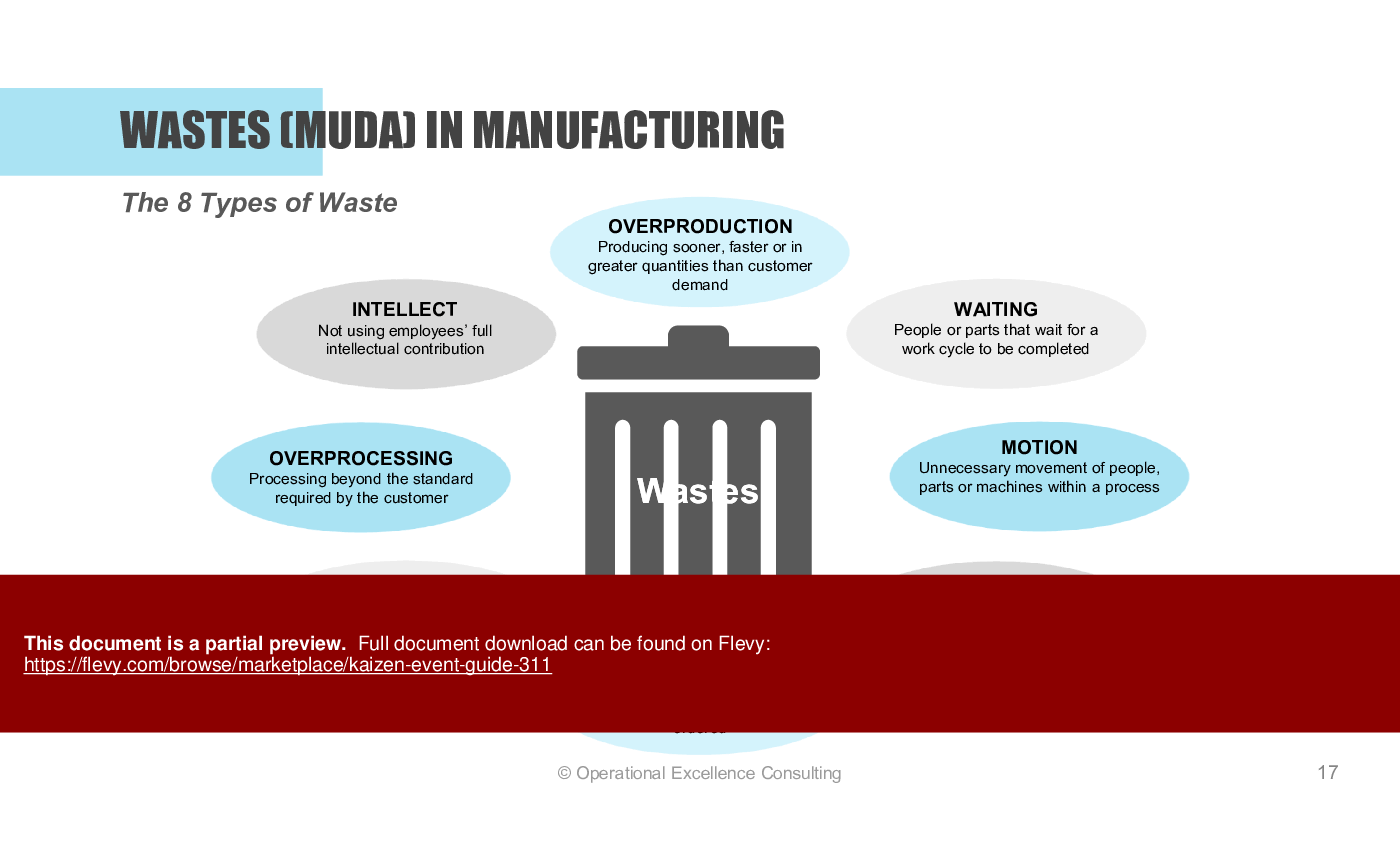
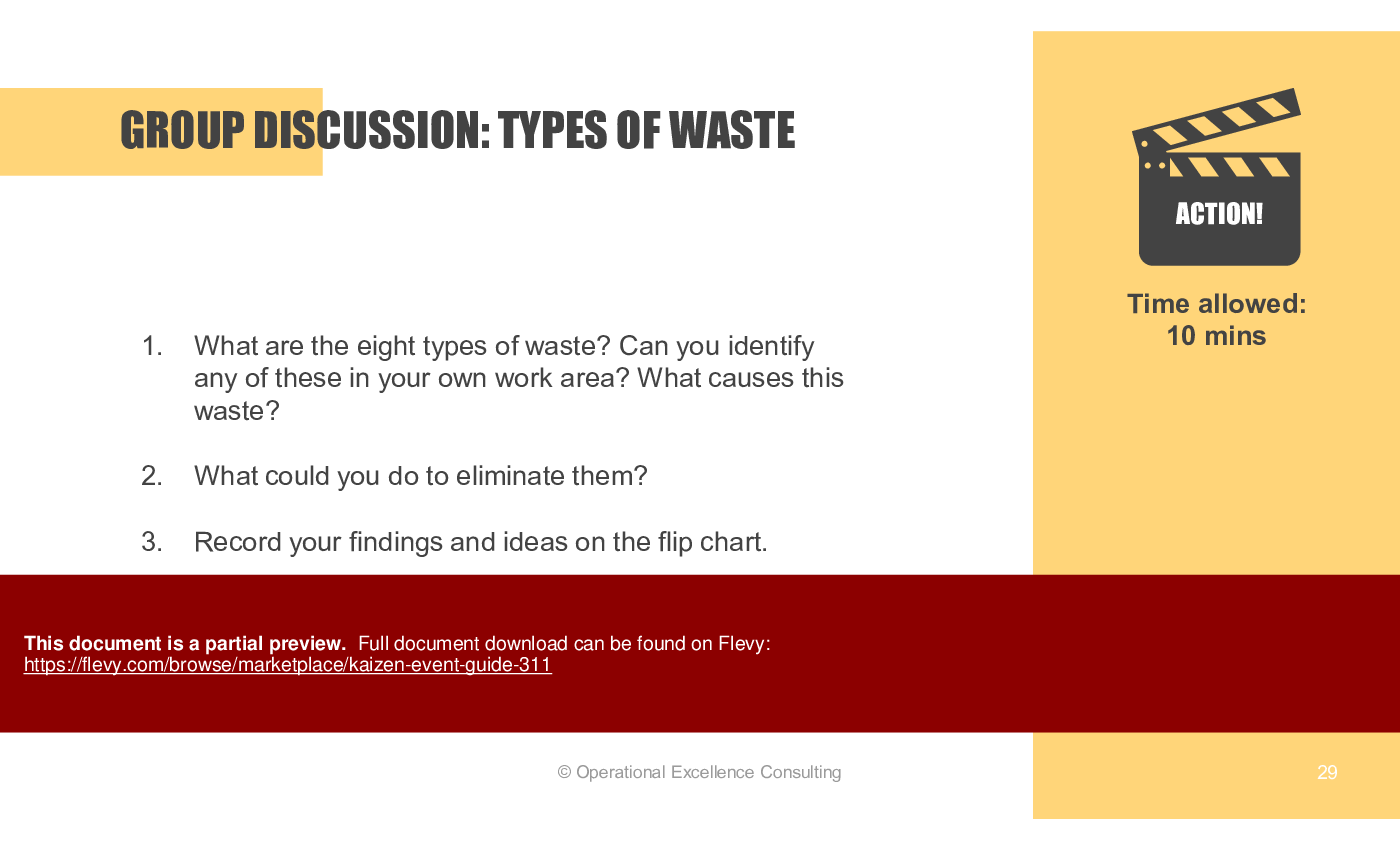
• Waste Identification - Techniques for recognizing and categorizing waste in processes to streamline operations effectively.
Deliverables, Templates, and Tools
• Kaizen Event Charter Template for outlining event objectives and scope
• Area Selection Matrix for prioritizing potential Kaizen event areas
• Metrics & Data Collection Plan for tracking improvements
• Checklist for Major Waste Finding to identify and address inefficiencies
• Event Evaluation Form for gathering feedback post-event
Slide Highlights
• Overview of Kaizen principles and their application in continuous improvement
• Detailed flowcharts illustrating the phases of a Kaizen event
• Real-world examples showcasing successful Kaizen implementations
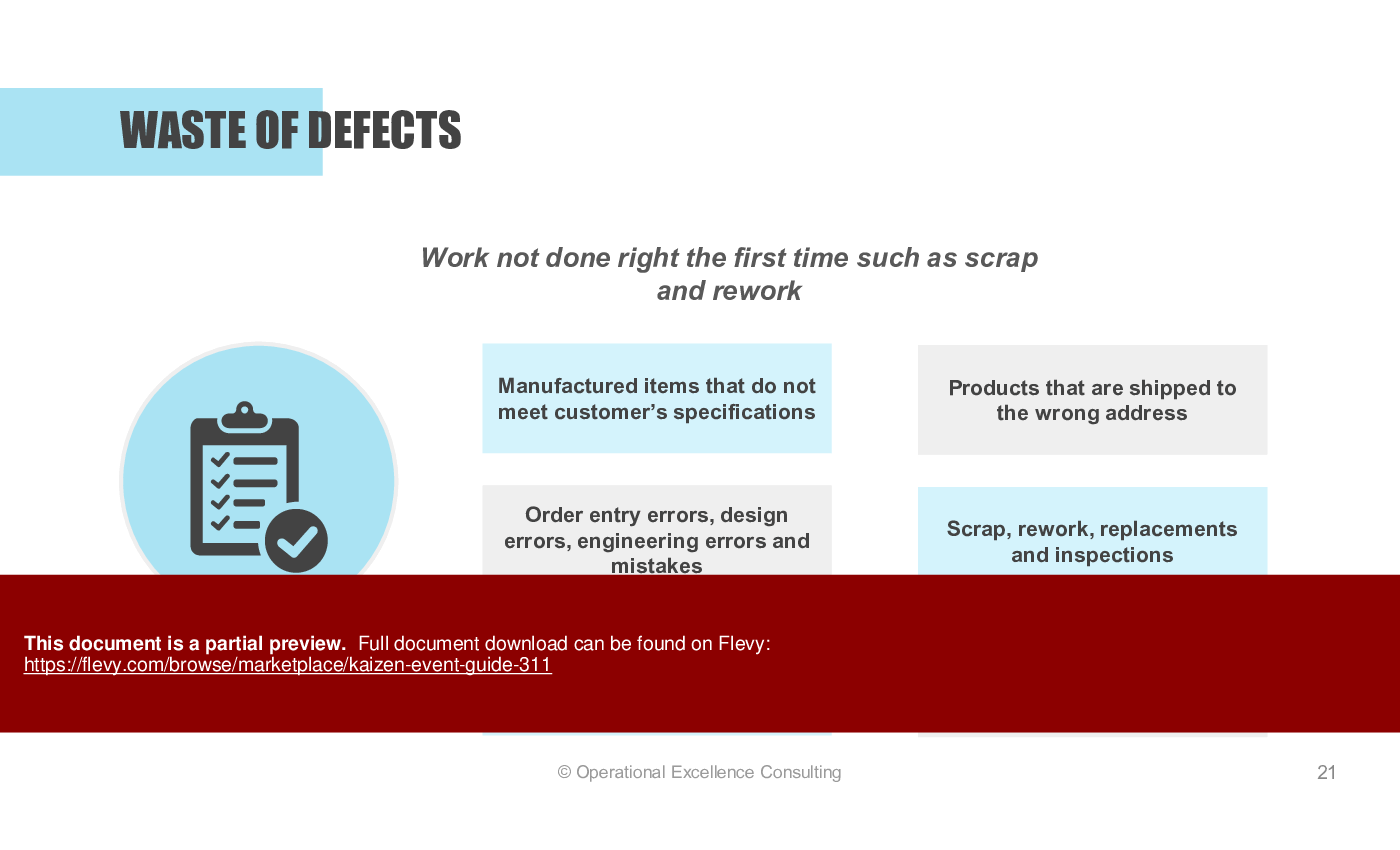
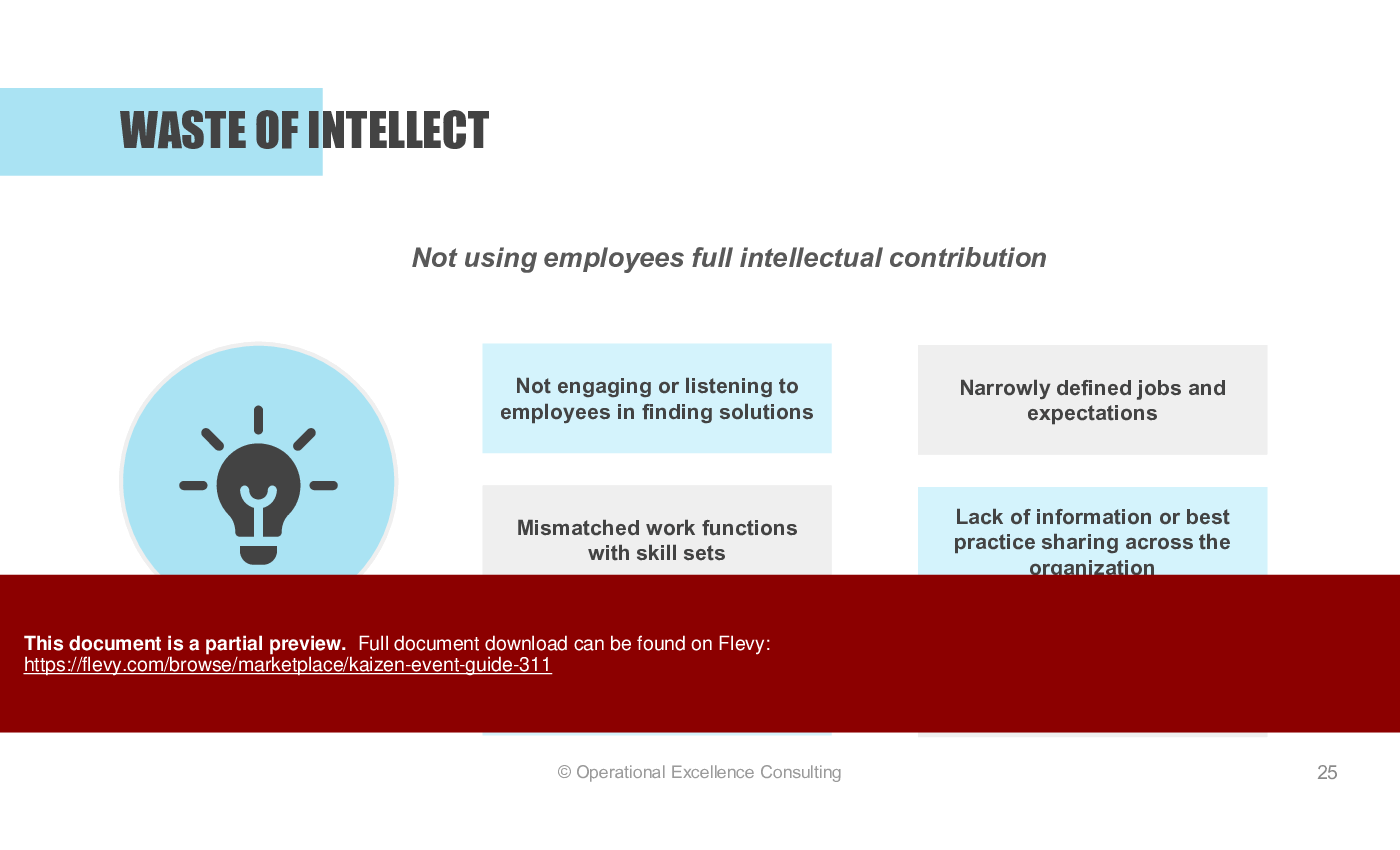
• Visual aids for identifying different types of waste in manufacturing processes
• Templates for documenting Kaizen event outcomes and lessons learned
Potential Workshop Agenda
Kaizen Event Orientation (90 minutes)
• Introduce team members and assign roles
• Explain event objectives and procedures
• Distribute team supply kits and resources
Implementation Workshop (2 hours)
• Observe the selected area and gather data
• Map the current process and identify inefficiencies
• Brainstorm improvement ideas and develop action plans
Results Presentation and Celebration (60 minutes)
• Present findings and improvements to stakeholders
• Celebrate the team's achievements and contributions
• Discuss follow-up tasks and next steps for continuous improvement
Customization Guidance
• Modify the event charter to reflect specific organizational goals and metrics
• Tailor the area selection criteria based on unique operational challenges
• Adjust training materials to align with the team's existing knowledge and experience levels
Secondary Topics Covered
• The role of leadership in supporting Kaizen initiatives
• Techniques for fostering employee engagement during Kaizen events
• Strategies for sustaining improvements post-event
• Common pitfalls to avoid during the Kaizen processDocument FAQ
These are questions addressed within this presentation.
What is a Kaizen event?
A Kaizen event is a focused team activity aimed at using Lean methods to eliminate waste in specific areas of the organization, typically lasting a few days to a week.
How do I select an area for a Kaizen event?
Choose an area with significant impact, manageable challenges, and where employees are ready to engage in improvement efforts.
What roles are essential for a successful Kaizen event?
Key roles include a coordinator, upper management support, team members from various functions, and HR involvement to ensure resources are available.
What are the main phases of a Kaizen event?
The main phases are planning and preparation, implementation of improvements, and presentation, celebration, and follow-up.
How can I measure the success of a Kaizen event?
Success can be measured through metrics such as reduced lead times, improved quality, and employee engagement levels, tracked before and after the event.
What tools can assist in the Kaizen process?
Tools include flowcharts, value stream maps, checklists for waste identification, and templates for documenting results and lessons learned.
How often should Kaizen events be conducted?
Regular Kaizen events should be scheduled as part of a continuous improvement strategy, ideally on a quarterly or biannual basis, depending on organizational needs.
What should be done after a Kaizen event?
Post-event activities include monitoring implemented changes, gathering feedback, and documenting lessons learned to inform future events.
Glossary
• Kaizen - A philosophy of continuous improvement involving everyone in the organization.
• Lean - A systematic approach to identifying and eliminating waste in processes.
• Waste - Any activity that does not add value to the product or service.
• Value Stream Mapping - A visual tool to analyze and design the flow of materials and information.
• 5S - A methodology for workplace organization: Sort, Set in Order, Shine, Standardize, Sustain.
• Continuous Improvement - Ongoing efforts to improve products, services, or processes.
• Event Evaluation Form - A tool for gathering feedback on the effectiveness of a Kaizen event.
• Team Leader - The individual responsible for guiding the Kaizen team during the event.
• Cross-Functional Team - A group composed of members from different departments working toward a common goal.
• Metrics - Measurements used to assess the performance and success of processes.
• Action Plan - A detailed outline of steps to be taken to achieve specific improvements.
• Follow-Up - Activities conducted after the event to ensure sustained improvements and address any outstanding issues.
Source: Best Practices in Kaizen PowerPoint Slides: Kaizen Event Guide PowerPoint (PPTX) Presentation Slide Deck, Operational Excellence Consulting
This document is available as part of the following discounted bundle(s):
Save %!
Kaizen Leader Toolkit
This bundle contains 2 total documents. See all the documents to the right.
Save %!
Kaizen Facilitator Toolkit
This bundle contains 3 total documents. See all the documents to the right.
Save %!
5S Leader Toolkit
This bundle contains 3 total documents. See all the documents to the right.
Save %!
5S Facilitator Toolkit
This bundle contains 4 total documents. See all the documents to the right.
Save %!
Complete Kaizen Implementation Toolkit
This bundle contains 5 total documents. See all the documents to the right.
Save %!
Kaizen Consultant Toolkit
This bundle contains 5 total documents. See all the documents to the right.
Save %!
Complete 5S Toolkit
This bundle contains 7 total documents. See all the documents to the right.
|
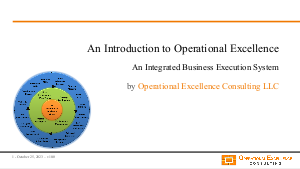
Receive our FREE presentation on Operational Excellence
This 50-slide presentation provides a high-level introduction to the 4 Building Blocks of Operational Excellence. Achieving OpEx requires the implementation of a Business Execution System that integrates these 4 building blocks. |